
Assessment first. Project decisions second.
Peak Access evaluates the person, the space, and the daily routine, then provides a written priority plan. Products, materials, and installation are separate from the assessment.
Clear services and pricing
Start free. Pay only when you book a defined service.
Submitting the request form and the first 10-minute safety call are free. An in-home assessment, urgent visit, or business walkthrough is a separate paid service with its scope confirmed before booking.
Free
10-minute phone screening
Safety call
A quick fit and urgency check. This is not an in-home visit and does not include a written assessment.
$99
In-home visit + written plan
Residential assessment
An in-home walkthrough with photos and measurements as appropriate, plus a written priority plan.
$199
Within 48 hours when available
Urgent safety visit
An expedited visit for a recent fall, hospital discharge, sudden mobility change, or immediate access concern.
From $149
Separate on-site service
Business & community walkthrough
A practical access walkthrough and written priority list. Complex or urgent scopes are priced before booking.
What Peak Access is
Peak Access is an RN-informed, non-medical assessment and planning service. Our primary paid deliverable is the walkthrough and written priority plan—not equipment or construction.
How project work is handled
- Materials and installation are not included in an assessment fee.
- Your plan is yours to use with any contractor, vendor, or specialist you choose.
- For clearly scoped work, Peak Access may offer a separate written proposal. It will state the scope, price, and who will perform the work before you approve anything.
The $99 residential assessment fee is credited only when Peak Access later provides and you approve qualifying project work of $750 or more. There is no obligation to purchase project work.
Request the free safety callTwo clear service lanes
Home assessments and business walkthroughs are separate services.
Residential customers receive an RN-informed home-safety assessment and written priority plan. Businesses and community organizations receive a separately scoped practical access walkthrough.
Homes, Townhomes & Condos
Private residences where families need safer bathrooms, entries, stairs, lighting, and daily movement.
Apartments & Rentals
We can document accessibility concerns inside the unit and entry path, then help shape recommendations that may need landlord or property-manager approval.
Senior Living Residences
For retirement communities and assisted living settings, we focus on practical safety concerns and planning support rather than legal compliance certification.
Business & Community Spaces
Clinics, dental offices, shops, daycares, gyms, churches, senior centers, and professional offices can request practical access walkthroughs.
How it works
A calmer path from concern to safer access.
The best accessibility project starts with the person and the space, not the product. Peak Access assesses, documents, and prioritizes. Equipment and installation are not included in the assessment.
Start with the free callTell us what changed
Share the concern, timeline, space type, and who needs safer access.
Review the space
We review daily routes, risky rooms, restrooms, thresholds, stairs, lighting, transfers, photos, and useful measurements.
Prioritize the plan
You get urgent fixes, a priority list, budget and funding questions, and next-step options.
Choose your provider
Use the written plan with any provider you choose. Any Peak Access quote or implementation support is separate and confirmed in writing.
Assessment preview
Clear guidance before anyone starts selling you equipment.
Peak Access starts with the person, the space, and the daily routines or visitor routes that feel unsafe. The goal is a practical plan customers can understand and act on.
Older adults planning ahead
For people who want to stay independent and reduce fall risks before a small problem becomes urgent.
Adult children and family caregivers
For families trying to make practical decisions after a fall, diagnosis, surgery, or change in mobility.
Renters, condo owners, and apartment residents
For residents who need a clearer picture of what can be changed inside the unit and what may need approval.
Post-surgery or discharge planning
For short timelines when entry access, bathroom transfers, and safe movement need to be solved quickly.
Small facilities
For daycares, clinics, gyms, churches, and independent offices that want practical access barriers organized.
What we inspect room by room
The assessment follows the way people actually move through the day.
We look for the small details that create real risk: transfers, thresholds, lighting, reach, flooring, and the path between rooms.
For apartments, condos, senior-living residences, facilities, and shared areas, recommendations are planning support, not legal ADA, Texas Accessibility Standards, or Fair Housing compliance certification.
Entries and thresholds
- Front door approach
- Porch or garage steps
- Threshold height
- Temporary ramp fit
Bathroom or restroom
- Shower entry
- Toilet transfers
- Grab bar locations
- Flooring and turning space
Bedroom
- Bed transfer path
- Nighttime route
- Walker clearance
- Closet and storage access
Stairs and hallways
- Handrail continuity
- Step visibility
- Trip points
- Landing space
Lighting and flooring
- Low-light areas
- Glare
- Loose rugs
- Uneven flooring
Measurements and fit
- Door widths
- Turning space
- Reach ranges
- Equipment clearance
Sample assessment checklist
What a useful first assessment should organize.
You leave with concerns sorted into practical next steps, not a one-size-fits-all product list.
View sample report- Primary concern and timeline
- Who uses the space and how mobility has changed
- Highest-risk rooms and daily routines
- Entry, bathroom, restroom, bedroom, stairs, hallway, and lighting notes
- Measurements, photos, and constraints to review
- Quick fixes, temporary options, and longer-term improvements
- Questions for family, care teams, landlords, facility leaders, HOAs, or property managers
- Funding questions to organize for VA, Medicaid waiver, nonprofit, or private-pay conversations
- Prioritized next steps: urgent, soon, later, or specialist review
What we look for
Small access details can create big daily risks.
A strong assessment looks beyond a product list. We study the places where daily routines become slow, unsafe, or stressful.
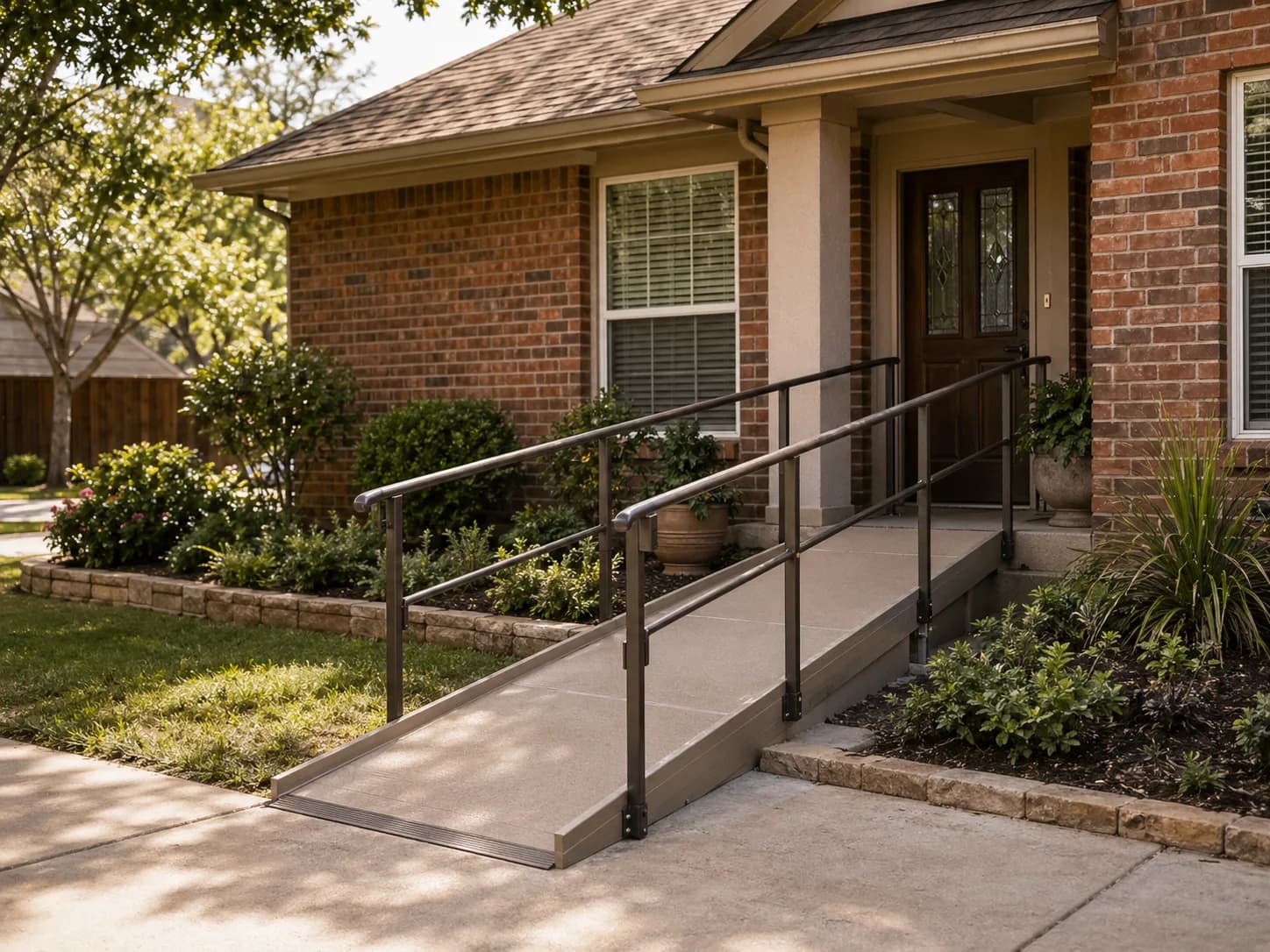
Entry Access
Steps, narrow landings, porch edges, garage thresholds, and weather exposure can turn entry into the hardest part of the day.
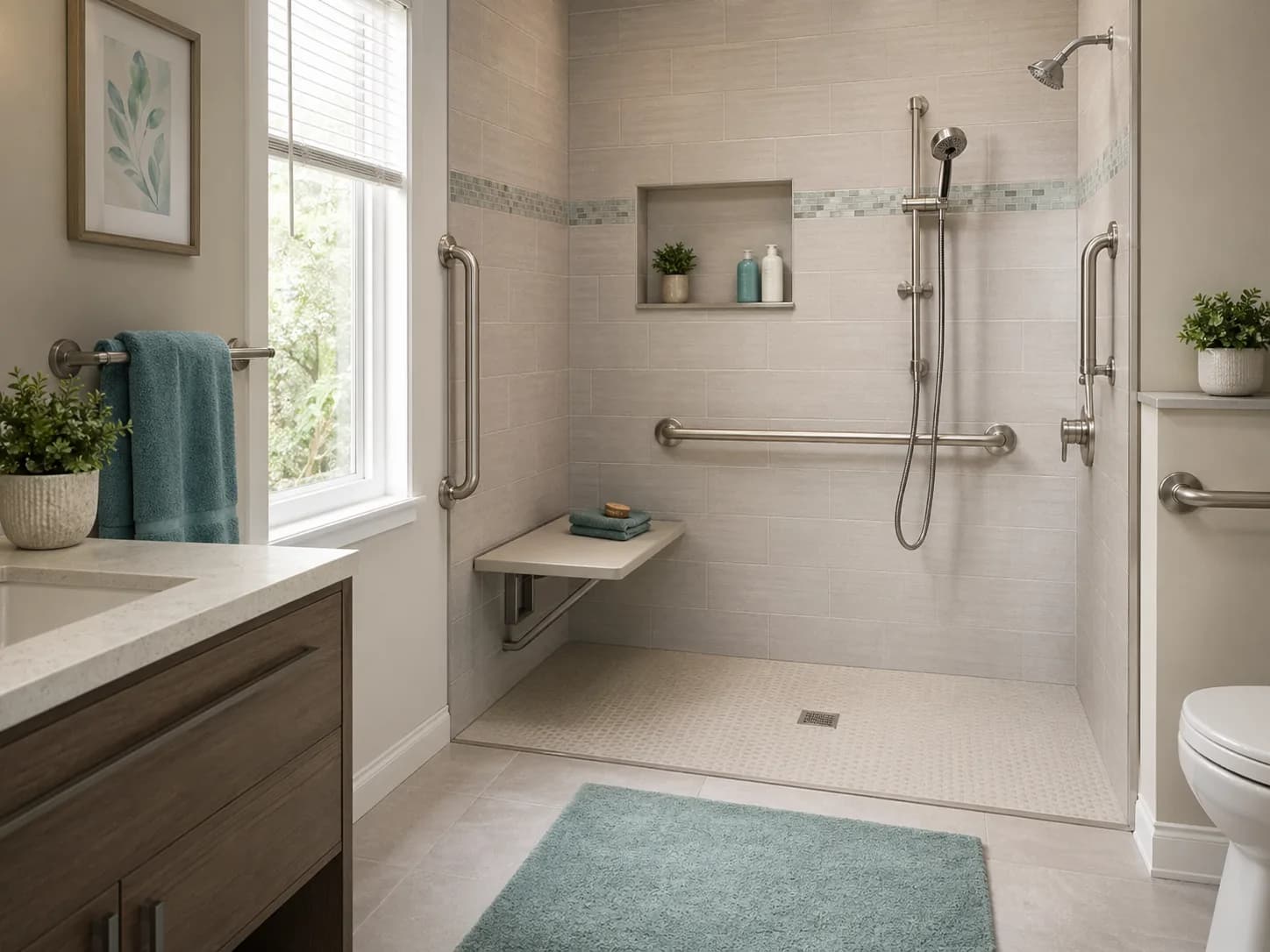
Bathroom Safety
Tub walls, slippery flooring, low toilets, inaccessible restrooms, and unsupported transfers are some of the most common high-risk areas.
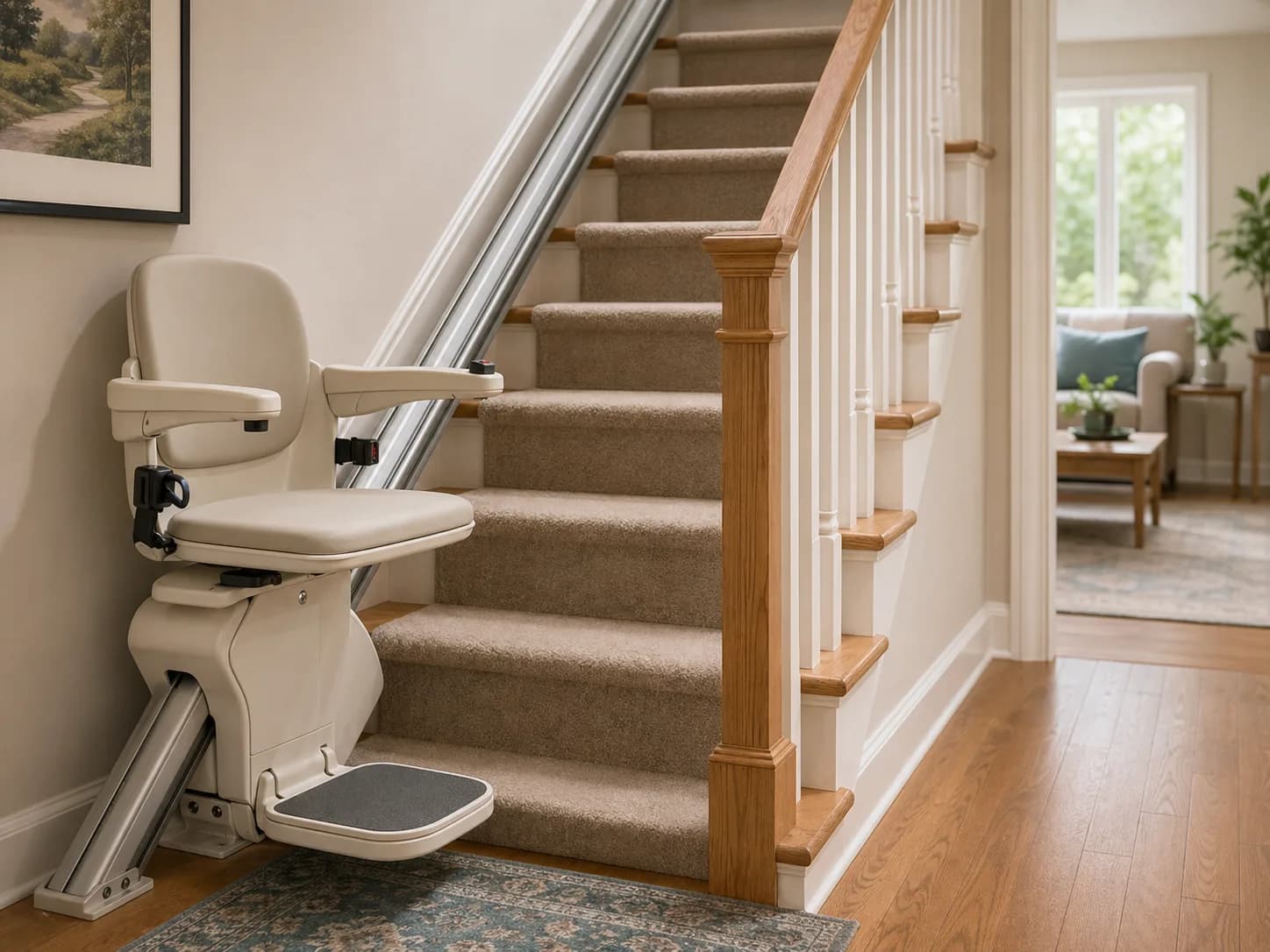
Stair Access
Stairs can quietly shrink the usable space. We look at stair shape, landing space, rail support, and alternatives.
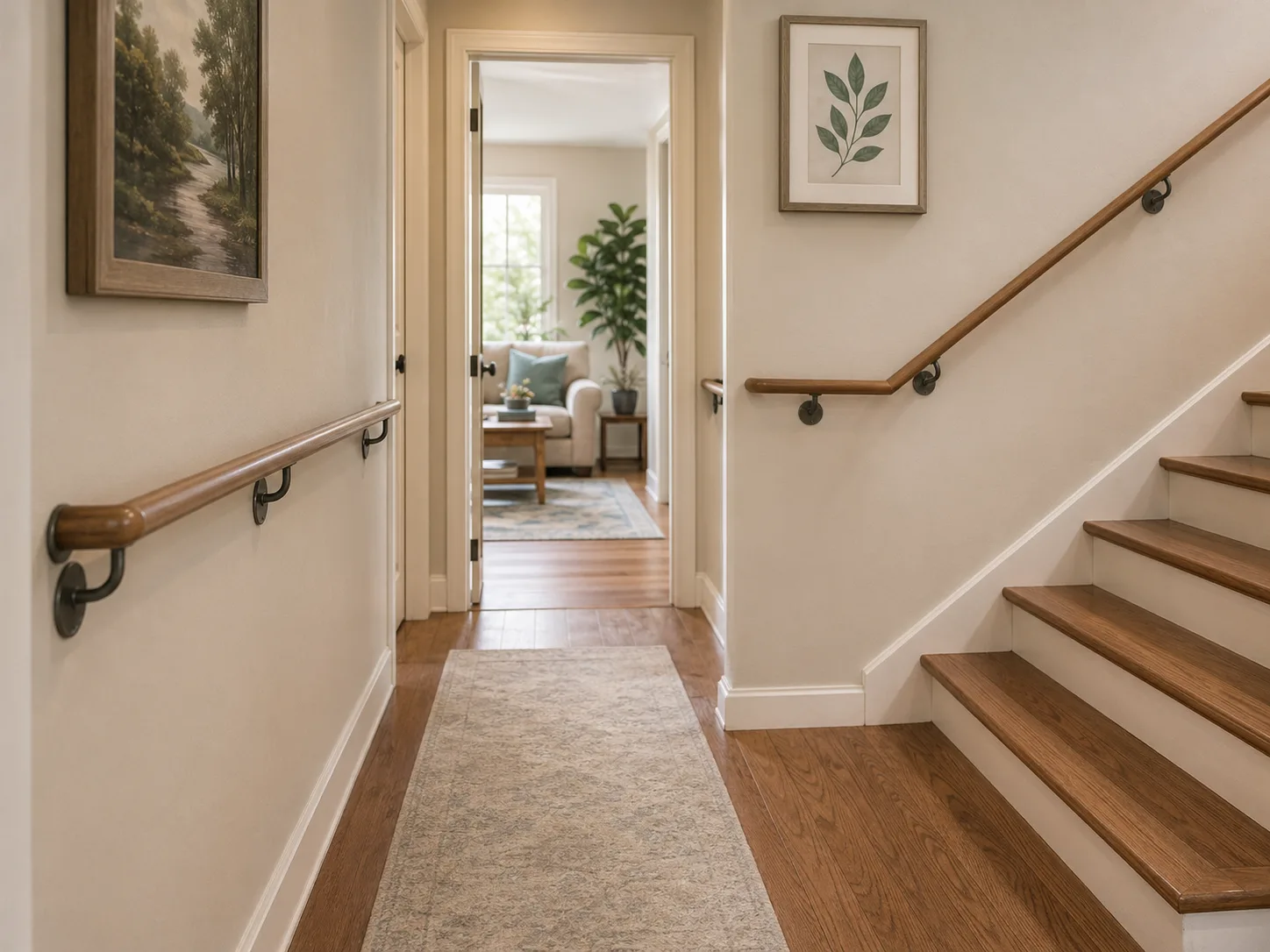
Daily Movement
Hallways, bedrooms, treatment rooms, classrooms, kitchens, lighting, and furniture paths all matter when balance, strength, or vision changes.
Sample assessment report
A clear plan families can act on, share, and discuss.
The $99 Residential Accessibility Assessment includes a written priority plan like this example. This sample is illustrative—not a real client report, project quote, or legal compliance certification.
Example residence
Residential Access Assessment
Prepared for a family comparing urgent safety fixes, future remodel options, and funding questions.
Primary concern
Recent fall risk during bathroom transfers
Resident profile
Uses a cane now; walker may be needed soon
Property type
Single-level home with porch entry
Decision goal
Know what to fix first without overspending
Priority sequence
Bathroom transfer risk
Shower entry, toilet support, and wet-floor movement should be addressed before lower-risk upgrades.
Entry threshold and porch step
Measure for a temporary ramp fit and review whether a permanent entry improvement is practical.
Night route and hallway lighting
Reduce trip points between bedroom, bathroom, and kitchen with lighting, flooring, and clear-path changes.
Ramps
We evaluate the entry route, landing, slope constraints, mobility needs, and everyday use before recommending portable, modular, or permanent ramp options.
Key Benefits
- Safe entry and exit
- More independence
- Weather-resistant options
- Custom fit for your home
Options we assess
- Wood, aluminum, or concrete
- Modular and portable options
- Handrails
- Non-slip surfaces
Planning is included only when listed in your assessment scope. Products and installation require a separate written proposal.
Ask About Ramp Planning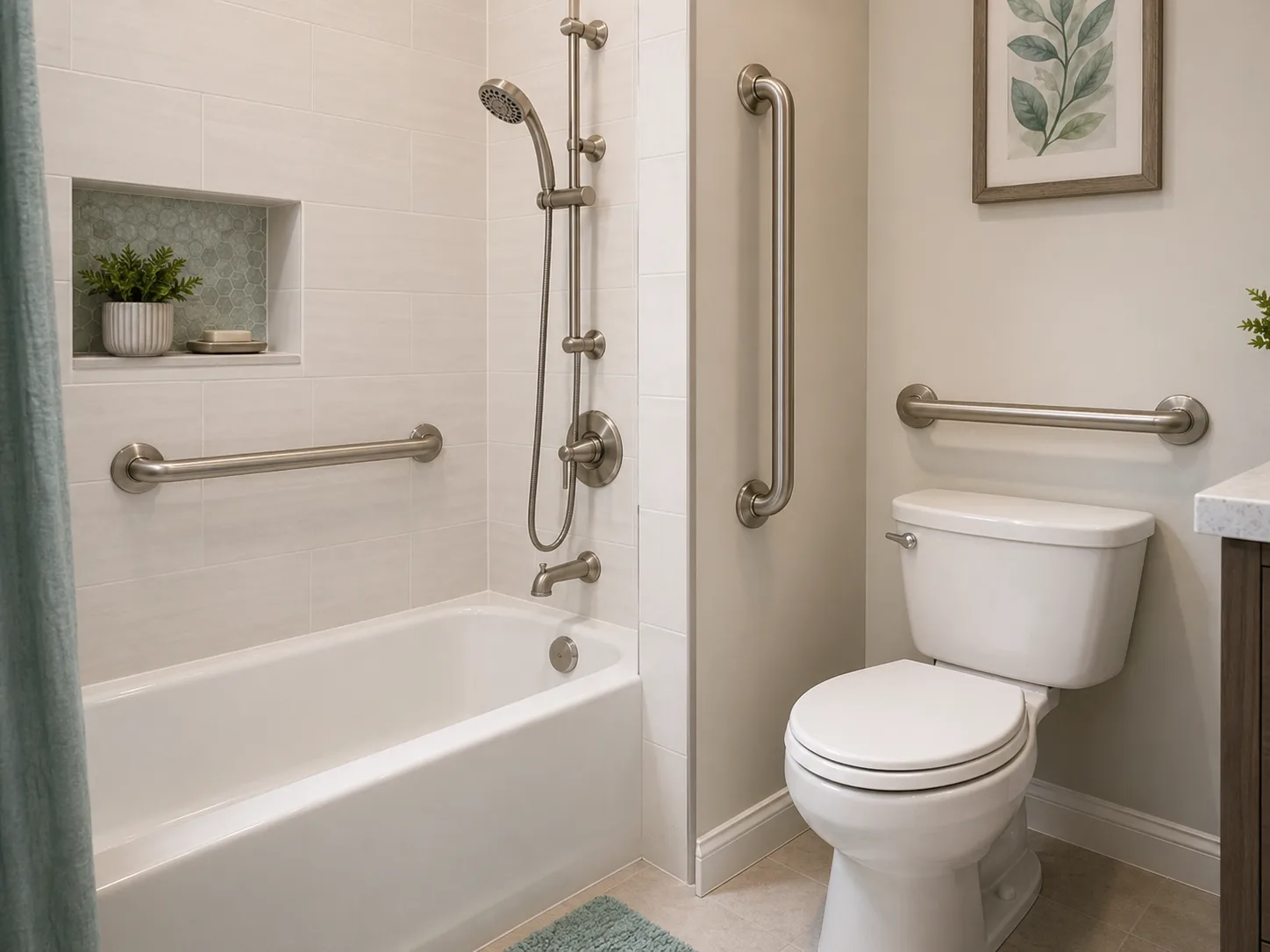
Grab Bars
We assess transfers, reach, wall conditions, and how the person uses the space before recommending practical grab-bar locations and installation requirements.
Key Benefits
- Reduce fall risk
- Improve stability
- Support daily transfers
- Peace of mind for family
Options we assess
- Multiple finishes and styles
- Textured or smooth grips
- Vertical, horizontal, or angled placement
- Anchoring requirements to confirm
Planning is included only when listed in your assessment scope. Products and installation require a separate written proposal.
Ask About Grab Bar PlanningBathroom Conversions
Bathrooms are one of the highest-risk spaces in the home. We help plan safer bathing, toileting, transfers, flooring, and fixture access.
Key Benefits
- Safer bathing
- Fewer tripping hazards
- More comfortable routines
- Long-term home value
Options we assess
- Zero-threshold showers
- Walk-in tubs
- Comfort-height toilets
- Accessible vanities
- Anti-slip flooring
Planning is included only when listed in your assessment scope. Products and installation require a separate written proposal.
Plan a Safer BathroomStairlifts
Stairs should not limit someone to one floor of the home. We help evaluate whether a straight, curved, or alternative stair solution is the safest fit.
Key Benefits
- Full home access
- Safer stair use
- Less caregiver strain
- Maintained independence
Options we assess
- Straight or curved stair options
- Swivel seats
- Battery backup
- Fold-away designs
Planning is included only when listed in your assessment scope. Products and installation require a separate written proposal.
Assess Stairlift Options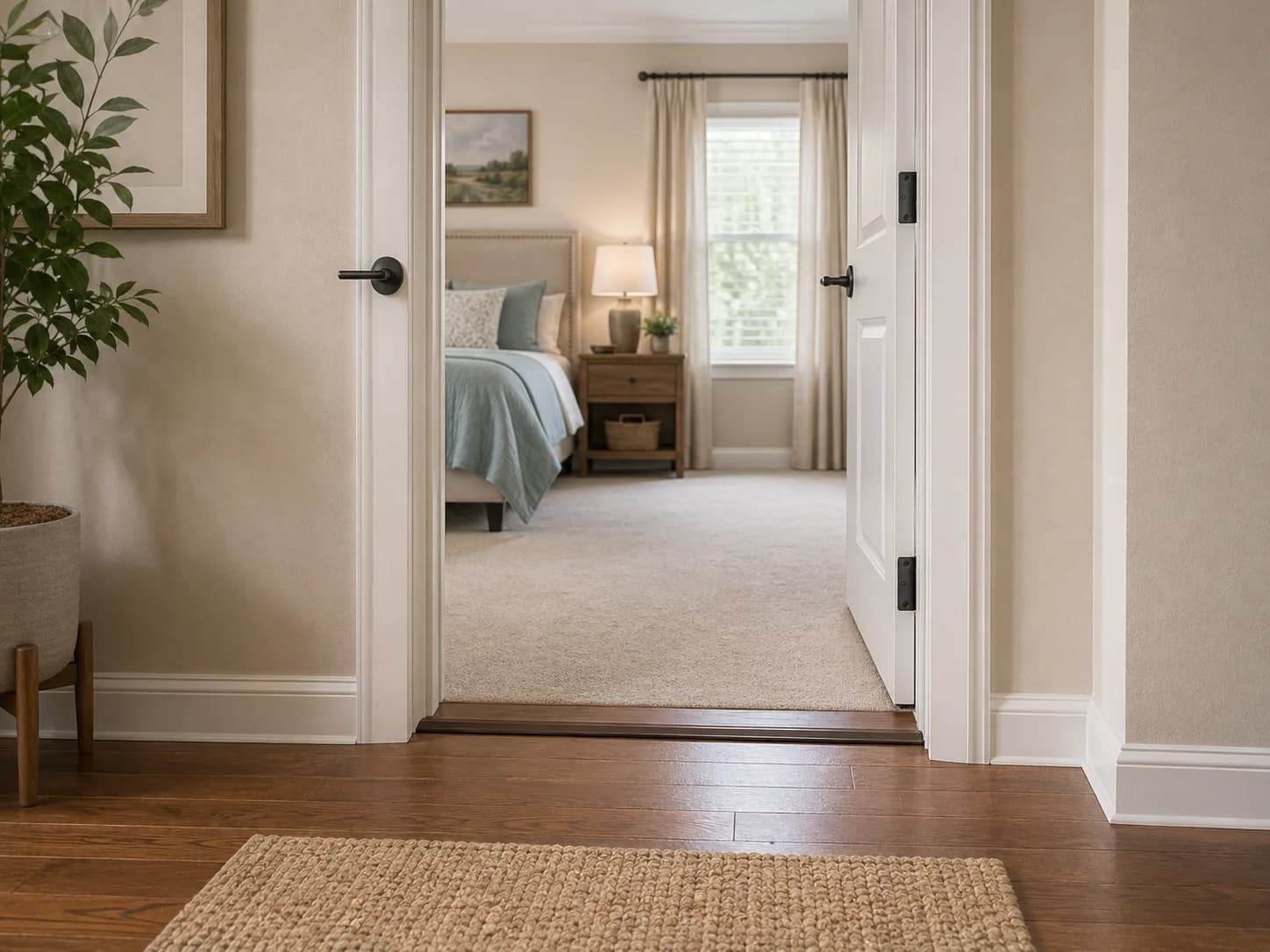
Door Widening
Narrow doorways can make daily movement frustrating or unsafe. We evaluate door swings, clearances, thresholds, and room transitions.
Key Benefits
- Barrier-free movement
- Wheelchair and walker access
- Improved flow
- Better room-to-room safety
Options we assess
- Interior and exterior doorways
- Offset hinges
- Pocket door options
- Trim and structural constraints
Planning is included only when listed in your assessment scope. Products and installation require a separate written proposal.
Assess Doorway OptionsHandrails
Continuous handrails can make movement safer through halls, stairs, garages, porches, and outdoor walkways.
Key Benefits
- Continuous support
- Improved balance
- Safer stairs
- Indoor and outdoor use
Options we assess
- Wood, metal, or vinyl
- Custom lengths
- Secure wall or post mounting
- Style-matched finishes
Planning is included only when listed in your assessment scope. Products and installation require a separate written proposal.
Plan Handrail Improvements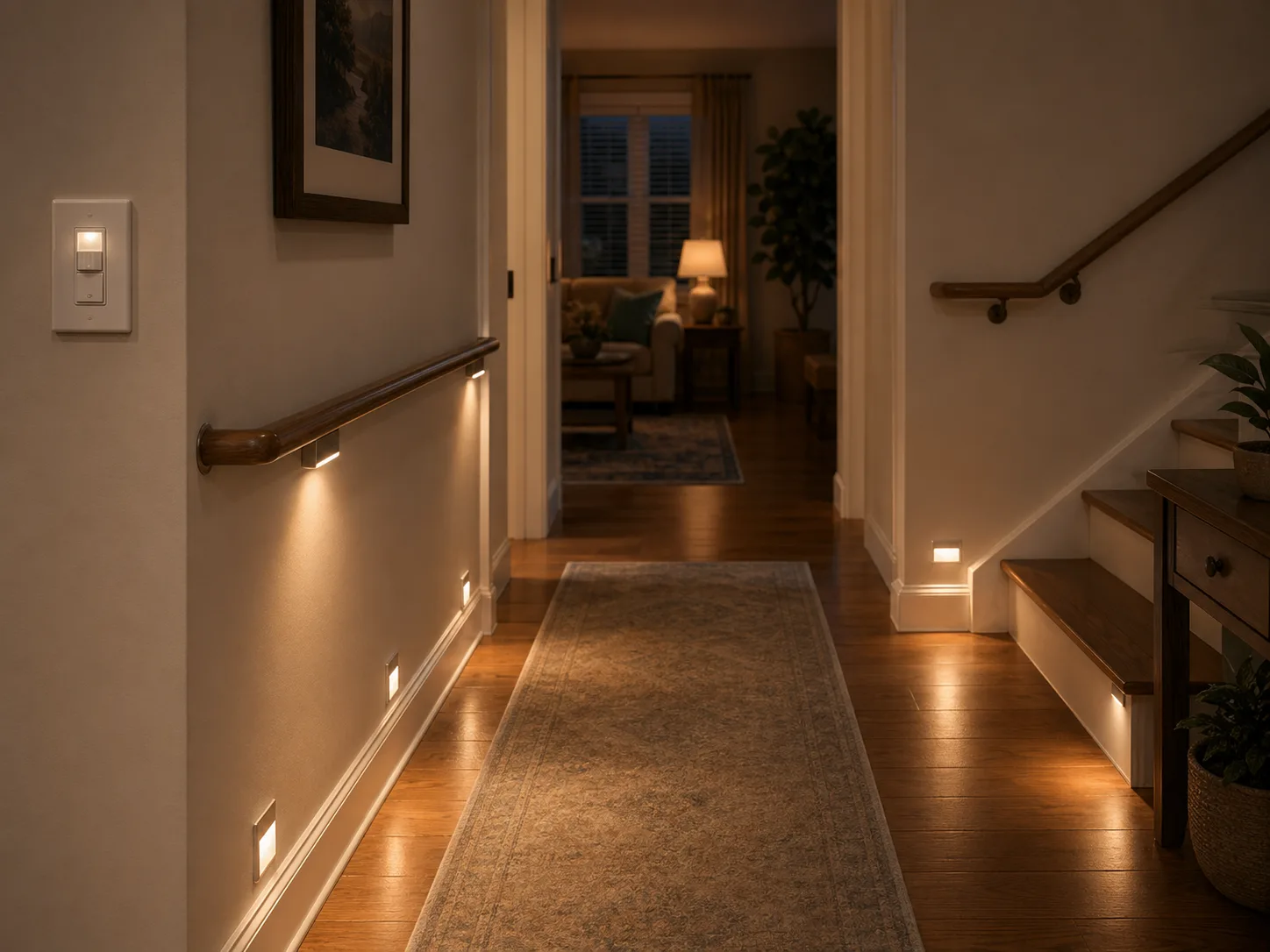
Lighting & Smart Home
Better lighting and simple smart controls can reduce nighttime fall risk and make daily routines easier for people with limited mobility.
Key Benefits
- Prevent nighttime falls
- Simpler control
- Energy efficiency
- Emergency support options
Options we assess
- Motion-sensor lighting
- Voice controls
- Smart thermostats and locks
- Automated shades
- Emergency response options
Planning is included only when listed in your assessment scope. Products and installation require a separate written proposal.
Plan Lighting Improvements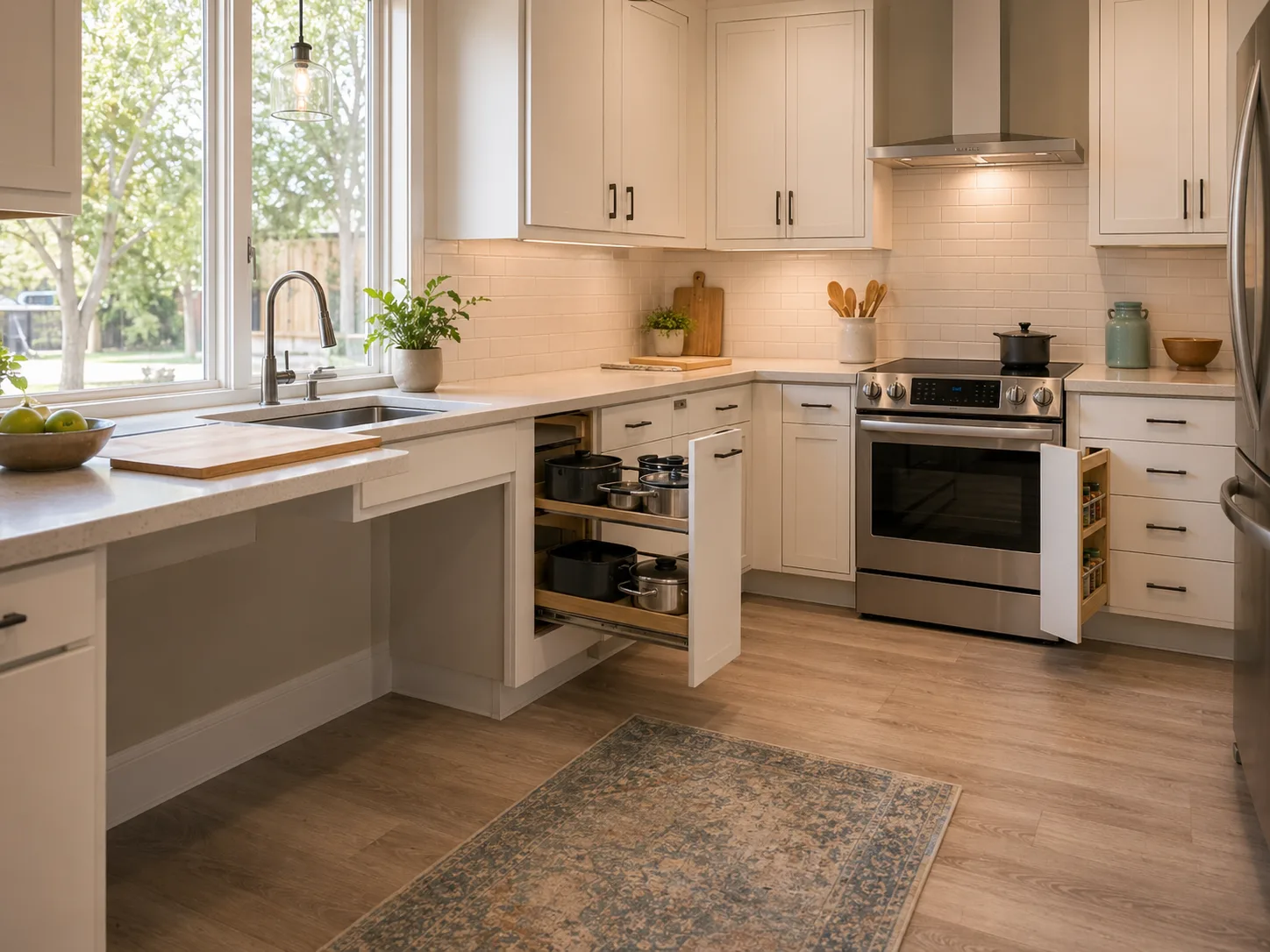
Kitchen Accessibility
The kitchen should support independence. We help adapt reach, storage, sinks, counters, lighting, and appliance access around the person using the space.
Key Benefits
- Safer cooking
- More independence
- Less reaching and strain
- Customized workflow
Options we assess
- Adjustable-height counters
- Pull-down shelving
- Roll-under sinks
- Side-opening ovens
- Lever-handle faucets
Planning is included only when listed in your assessment scope. Products and installation require a separate written proposal.
Plan Kitchen Improvements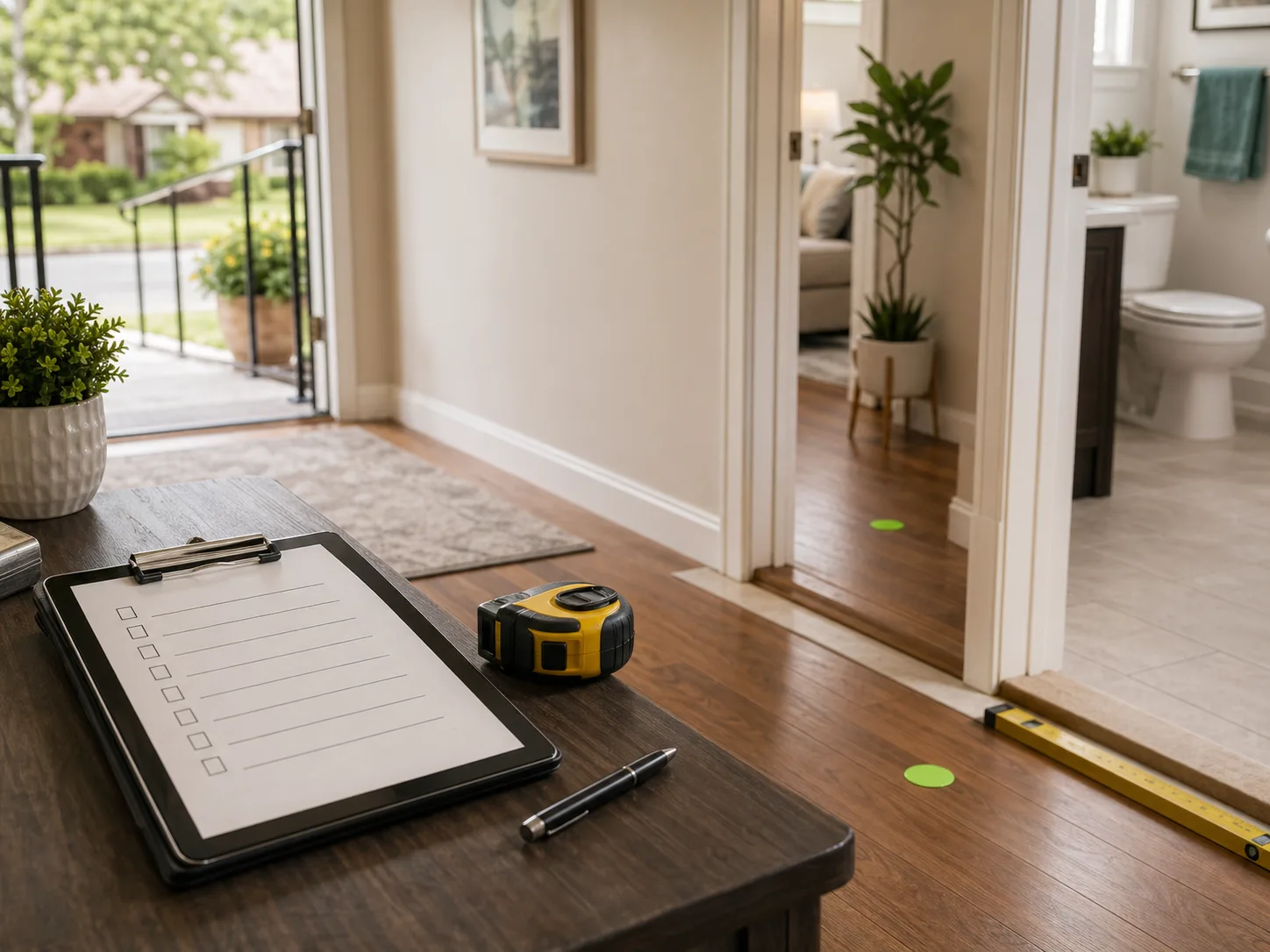
Access Assessments
A focused access assessment identifies hazards, accessibility barriers, and practical improvements before you commit to a project.
Key Benefits
- Identify hidden risks
- Prioritize fixes
- Create a long-term plan
- Help stakeholders align on next steps
Options we assess
- Room or site evaluation
- Fall risk review
- Barrier identification
- Personalized action plan
- Family, care team, or facility coordination questions
Planning is included only when listed in your assessment scope. Products and installation require a separate written proposal.
Request a Residential AssessmentNot sure which paid service fits?
Start with the free 10-minute safety call. We will confirm the right service, price, and availability before anything is booked.
Request the Free Safety Call